

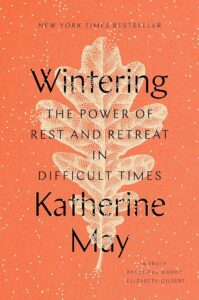
 In her memoir, Wintering: Rest and Retreat in Difficult Times, author Katherine May reflects on the “sparse beauty” of winter as “a time for reflection and recuperation, for slow replenishment, for putting your house in order.” Winter provides is with an opportunity to slow down in a world that often seeks to hold us to a swift timetable, especially when we are grieving.
We are constantly receiving these subtle – or, not so subtle – messages. At most, we may be granted three days of bereavement leave before we are expected to return to “normal.” We are told to move on, to “get over it”, and to heal faster from the wounds of our grief. But just as the seasons proceed in their own time and autumn transforms into winter into spring, our grief too transforms in its own time. And we need that spiritual winter in order for that transformation to occur.
As Katherine May reminds us, “slowing down, letting your spare time expand, getting enough sleep, resting… is a radical act now, but it is essential. This is a crossroads we all know, a moment when you need to shed a skin. If you do, you’ll expose all those painful nerve endings and feel so raw that you’ll need to take care of yourself for a while. If you don’t, then that skin will harden around you.”
Take the time to slow down, to listen to the rhythms of the universe as it moves around us. To lean into this essential period of rest and hibernation which will allow our grief the gentle space it needs to soften and transform. Because according to Katherine May, “it’s one of the most important choices you’ll ever make.”